Mastering the Envelope System in 2026: Your Modern Guide to Cash Budgeting for Significant Savings
In an increasingly digital world, the idea of using physical cash and envelopes for budgeting might seem antiquated. Yet, the envelope system budgeting method continues to prove its unparalleled effectiveness, especially for those in the United States looking to gain real control over their finances. In 2026, as economic landscapes shift and personal financial goals evolve, embracing or re-embracing this classic strategy, often augmented by modern digital tools, can be your most powerful ally in curbing overspending and achieving substantial savings. This comprehensive guide will walk you through everything you need to know about implementing the envelope system in the modern era, with a specific focus on how it can help you cut your discretionary spending by a remarkable 25% or more.
The allure of the envelope system lies in its tangible nature. Unlike swiping a card, which often feels abstract, handing over physical cash creates a psychological barrier to impulse buying. It forces you to confront the real-time depletion of your funds for a specific category, making you more mindful of every dollar spent. This isn’t just about saving money; it’s about reshaping your financial habits and fostering a healthier relationship with your money.
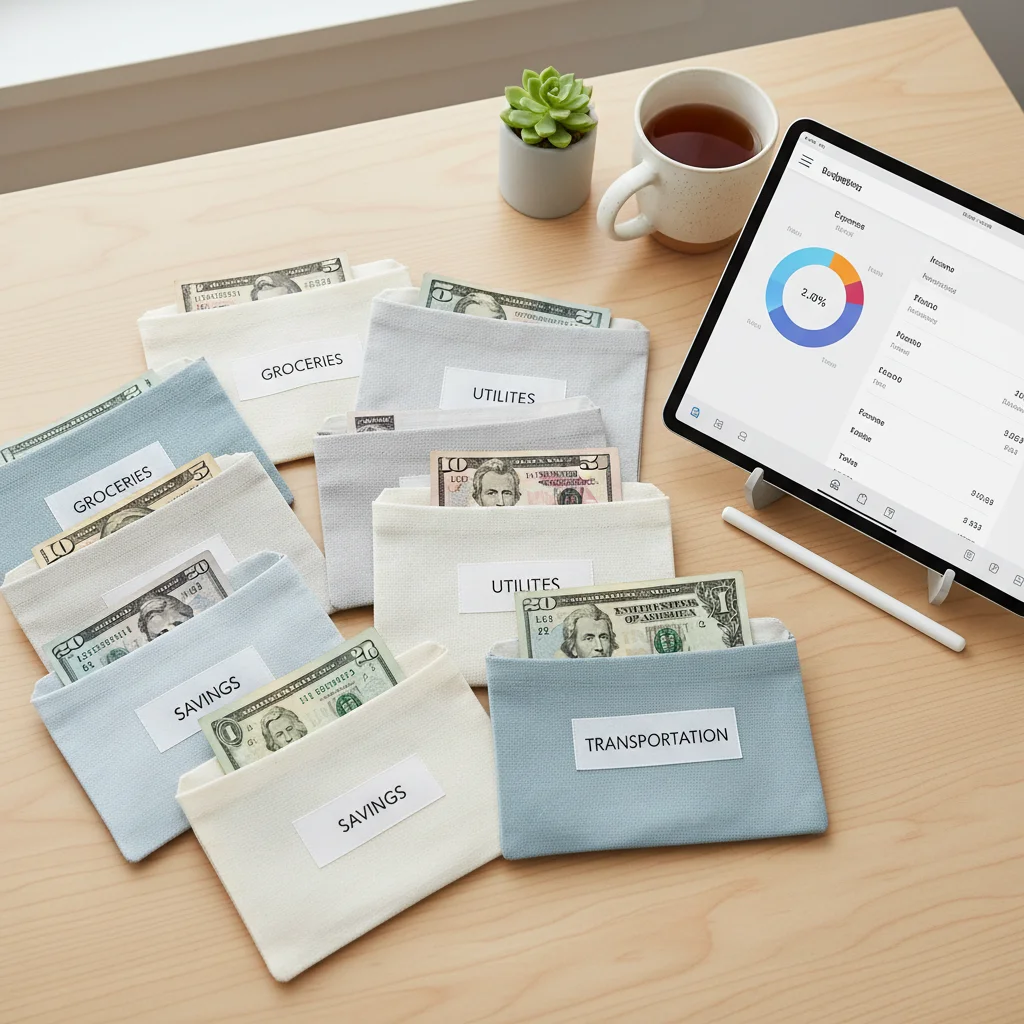
For decades, financial gurus and everyday savers have championed the envelope system. Its core principle is deceptively simple: allocate a set amount of cash for various spending categories each month, place that cash into labeled envelopes, and once an envelope is empty, you stop spending in that category until the next budgeting cycle. No credit cards, no debit cards, just good old-fashioned cash. While the fundamental principle remains, the modern application of the envelope system budgeting method has evolved, incorporating digital solutions to cater to a cashless society while retaining its core benefits.
The Enduring Power of the Envelope System Budgeting
Why, in an age of instant payments and sophisticated budgeting apps, does the humble envelope system still reign supreme for many? The answer lies in its ability to enforce strict spending limits in a way that digital tracking alone often cannot. When you physically see the cash dwindle, the impact is immediate and undeniable. This visual and tactile feedback loop is incredibly powerful in preventing overspending, particularly in categories where impulse purchases are common.
Consider the average American household’s struggle with discretionary spending. From dining out and entertainment to clothing and subscriptions, these categories often become financial black holes, silently draining bank accounts. The envelope system budgeting method directly tackles this challenge by imposing hard limits. If your ‘Dining Out’ envelope has $100 for the month and you’ve spent $90, you know you only have $10 left. This clarity fosters discipline and encourages creative solutions, like cooking at home or finding free entertainment options, rather than mindlessly swiping a card.
Moreover, the envelope system eliminates the risk of accumulating debt in variable spending categories. If you don’t have the cash, you simply can’t spend it. This built-in safeguard is a game-changer for individuals and families looking to break free from the cycle of credit card debt and live within their means. It’s a proactive approach to financial management, rather than a reactive one where you only realize you’ve overspent at the end of the month.
In 2026, the relevance of this system is perhaps even greater. With economic uncertainties and the rising cost of living, optimizing every dollar is paramount. The envelope system budgeting provides a robust framework for doing just that, offering a clear path to financial security and the peace of mind that comes with knowing exactly where your money is going.
Setting Up Your 2026 Envelope System: A Step-by-Step Guide
Ready to implement the envelope system budgeting method and start cutting that discretionary spending? Here’s a detailed, step-by-step guide to get you started:
Step 1: Understand Your Income and Fixed Expenses
Before you can allocate cash for variable spending, you need a clear picture of your fixed financial landscape. Calculate your total monthly take-home income. Then, list all your fixed expenses: rent/mortgage, car payments, insurance premiums, loan payments, utilities (if they’re relatively stable), and any other bills that remain consistent each month. Subtract your total fixed expenses from your total income. The remaining amount is what you have available for variable spending and savings.
Step 2: Identify Your Variable Spending Categories
This is where the envelope system truly shines. Common variable categories include:
- Groceries
- Dining Out / Takeout
- Entertainment
- Personal Care (haircuts, toiletries)
- Gas / Transportation (beyond fixed car payments)
- Household Supplies
- Clothing
- Miscellaneous / “Buffer”
- Kids’ Activities / Allowances
- Pet Supplies
Be honest about your spending habits. If you frequently buy coffee, make it a separate category or include it within ‘Dining Out’. The more granular you are initially, the better understanding you’ll gain.
Step 3: Allocate Funds to Each Category (and Aim for that 25% Reduction!)
This is the most crucial step for cutting discretionary spending. Based on your remaining income after fixed expenses, assign a specific dollar amount to each variable category. To achieve a 25% reduction in discretionary spending, you’ll need to critically evaluate your current spending habits. Look at your bank statements from the last few months to see where your money is actually going. Identify areas where you consistently overspend.
For example, if you typically spend $400 on dining out, challenge yourself to reduce it to $300 (a 25% cut). If your entertainment budget is usually $200, aim for $150. Be realistic but firm. The goal is not deprivation, but conscious spending.
Pro Tip for 25% Reduction: Focus on the categories that are purely wants, not needs. Dining out, entertainment, new gadgets, and impulse shopping are prime targets. Start small if a 25% cut feels too daunting, but keep that target in mind for significant impact.
Step 4: Get Your Envelopes Ready
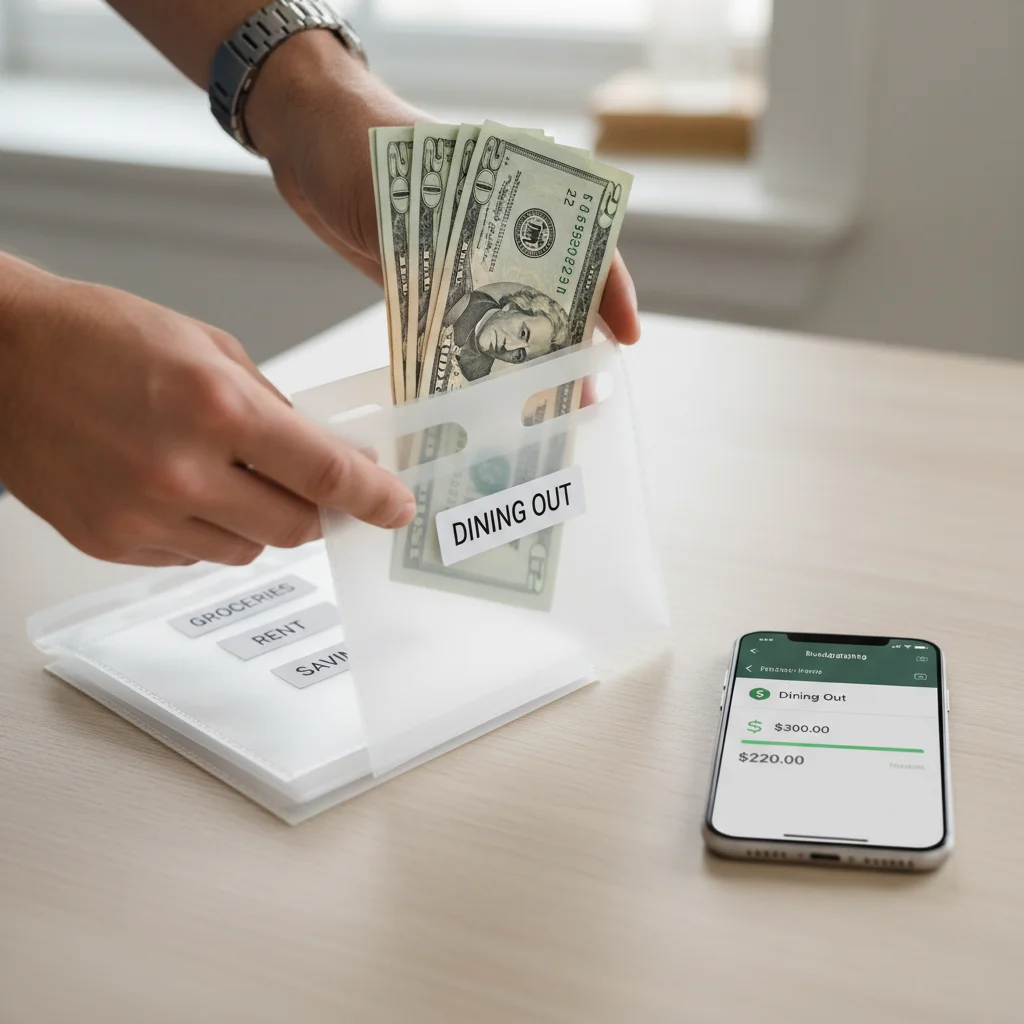
You can use actual physical envelopes, a dedicated cash wallet with dividers, or even custom-made budget binders. Label each envelope clearly with its category name (e.g., “Groceries,” “Fun Money,” “Gas”).
Step 5: Fill Your Envelopes with Cash
At the beginning of your budgeting period (usually payday), withdraw the exact amount of cash you’ve allocated for all your variable spending categories. Then, stuff the appropriate amount into each labeled envelope. This is the moment of truth where your budget becomes tangible.
Step 6: Spend Only from the Envelopes
This is the golden rule of the envelope system budgeting. When you need to buy groceries, take cash from the ‘Groceries’ envelope. If you’re going out with friends, use money from the ‘Entertainment’ or ‘Dining Out’ envelope. Once an envelope is empty, you stop spending in that category until the next budgeting cycle. No borrowing from other envelopes, no using your debit or credit card for that category. This is the discipline that leads to significant savings.
What if you run out of cash in one envelope but have money left in another? Resist the urge to transfer! This is where the system teaches you prioritization. If dining out money is gone, you cook at home. If entertainment money is gone, you find free activities. This strict adherence is what makes the envelope system so effective at curbing discretionary spending.
Modernizing the Envelope System for 2026: The Hybrid Approach
While the traditional cash envelope system is powerful, the reality of 2026 means many transactions are digital. Fear not, you don’t have to abandon technology to embrace this method. A hybrid approach combines the discipline of cash with the convenience of digital tools.
Digital Envelope Apps and Tools
Several apps mimic the envelope system digitally. These tools allow you to create virtual envelopes for each category and track your spending against those allocations. While they lack the physical barrier of cash, they offer excellent visibility and can be great for categories where cash isn’t practical (e.g., online subscriptions, certain online purchases).
- YNAB (You Need A Budget): A popular budgeting app based on the ‘zero-based budgeting’ philosophy, which aligns perfectly with the envelope system. You give every dollar a job.
- Goodbudget: Specifically designed around the envelope system, offering both web and mobile apps to track your spending across digital envelopes.
- Personal Capital / Mint: While not strictly envelope systems, these tools allow you to categorize and track spending, helping you see where your money goes. You can then manually apply those insights to your physical envelopes.
The Debit Card & Multiple Bank Accounts Strategy
For those uncomfortable carrying large amounts of cash, consider using multiple bank accounts or a single bank account with robust budgeting features. You can set up separate checking accounts for different spending categories (e.g., one for groceries, one for discretionary). Transfer the allocated funds to these accounts and use the associated debit cards. This creates a digital ‘envelope’ for each category, limiting your spending to what’s available in that specific account.
Alternatively, many modern banks and fintech apps offer sub-accounts or ‘pockets’ within a single checking account, allowing you to mentally (or virtually) separate funds for different purposes. The key is to treat these digital allocations with the same strictness as physical cash envelopes.
When to Use Cash vs. Digital
Strategically decide which categories are best suited for physical cash and which for digital tracking:
- Cash-Preferred Categories: Groceries, dining out, entertainment, personal care, household supplies, gas. These are often impulse-driven categories where the physical act of handing over cash provides the most discipline.
- Digital-Preferred Categories: Online subscriptions, online shopping, travel bookings, large one-off purchases, bills that are automatically deducted. For these, digital tracking or dedicated bank accounts make more sense.
The goal of the hybrid approach to envelope system budgeting is to leverage the strengths of both methods to maximize your savings and maintain financial control without sacrificing convenience entirely.
Overcoming Common Challenges with the Envelope System Budgeting
While highly effective, the envelope system isn’t without its challenges. Here’s how to navigate them:
Running Out of Cash in an Envelope
This is the primary challenge and the system’s core lesson. When an envelope is empty, it’s empty. If you find this happening consistently in a particular category, it might indicate that your initial allocation was too low, or you need to re-evaluate your spending priorities. Adjust your budget for the next month, but resist the urge to ‘borrow’ from other envelopes during the current cycle. This teaches you self-control and forces you to find alternatives.
Security Concerns with Carrying Cash
For some, carrying a significant amount of cash can be a concern. This is where the hybrid approach shines. Keep only the cash you need for a few days or a week in your wallet, and leave the rest securely at home. For larger sums or categories where cash isn’t practical, utilize the digital envelope methods discussed above (dedicated bank accounts or budgeting apps).
Tracking Small Purchases and Change
Small purchases can add up, and dealing with change can feel cumbersome. For physical envelopes, simply put the change back into the respective envelope. For digital tracking, meticulously log every purchase, no matter how small. Consistency is key.
Irregular Income or Expenses
If your income fluctuates, the envelope system budgeting can still work, but requires more planning. During high-income months, allocate extra to a ‘buffer’ or ‘irregular expenses’ envelope to smooth out low-income periods. For irregular expenses (e.g., car maintenance, annual memberships), create a dedicated savings envelope and contribute to it monthly until the expense arises.
Partner/Family Buy-in
If you share finances, it’s crucial that everyone involved understands and commits to the envelope system budgeting. Hold regular family meetings to discuss allocations, spending limits, and progress. Transparency and shared goals are vital for success.
Advanced Strategies for Maximizing Savings with the Envelope System
Once you’ve mastered the basics of the envelope system budgeting, consider these advanced strategies to accelerate your savings and financial goals:
The “Challenge” Envelope
Dedicate an envelope specifically for savings challenges. This could be a “$5 bill challenge” (every time you receive a $5 bill, it goes into this envelope) or a “no-spend week challenge” where any money saved during that week goes directly into this envelope. This gamifies saving and makes it more engaging.
Sinking Funds Envelopes
Beyond your monthly variable expenses, create envelopes for future, irregular expenses that you know will come up. Examples include:
- Car Maintenance/Repairs
- Holiday Gifts
- Vacation Fund
- Home Repairs
- Medical Deductibles
By allocating a small amount to these ‘sinking funds’ each month, you avoid financial shocks and prevent these expenses from derailing your budget.
The “Zero-Based Budgeting” Connection
The envelope system budgeting naturally aligns with zero-based budgeting, where every dollar of your income is assigned a specific job (spending, saving, debt repayment) before the month begins. This ensures no money is left unaccounted for and maximizes your financial efficiency. Make sure your total allocations equal your total income.
Regular Review and Adjustment
Your budget isn’t set in stone. Life happens. Review your envelope allocations monthly or quarterly. Are some categories consistently running out too quickly? Are others always overflowing? Adjust as needed to reflect your current spending habits, financial goals, and life circumstances. The flexibility to adapt is crucial for long-term success.
Visualizing Your Progress
Keep a simple ledger or use a spreadsheet to track your spending from each envelope. Seeing your progress, especially the reduction in discretionary spending, can be incredibly motivating. Celebrate small victories, like successfully sticking to your ‘Dining Out’ budget for a whole month.
Real-World Impact: Cutting Discretionary Spending by 25%
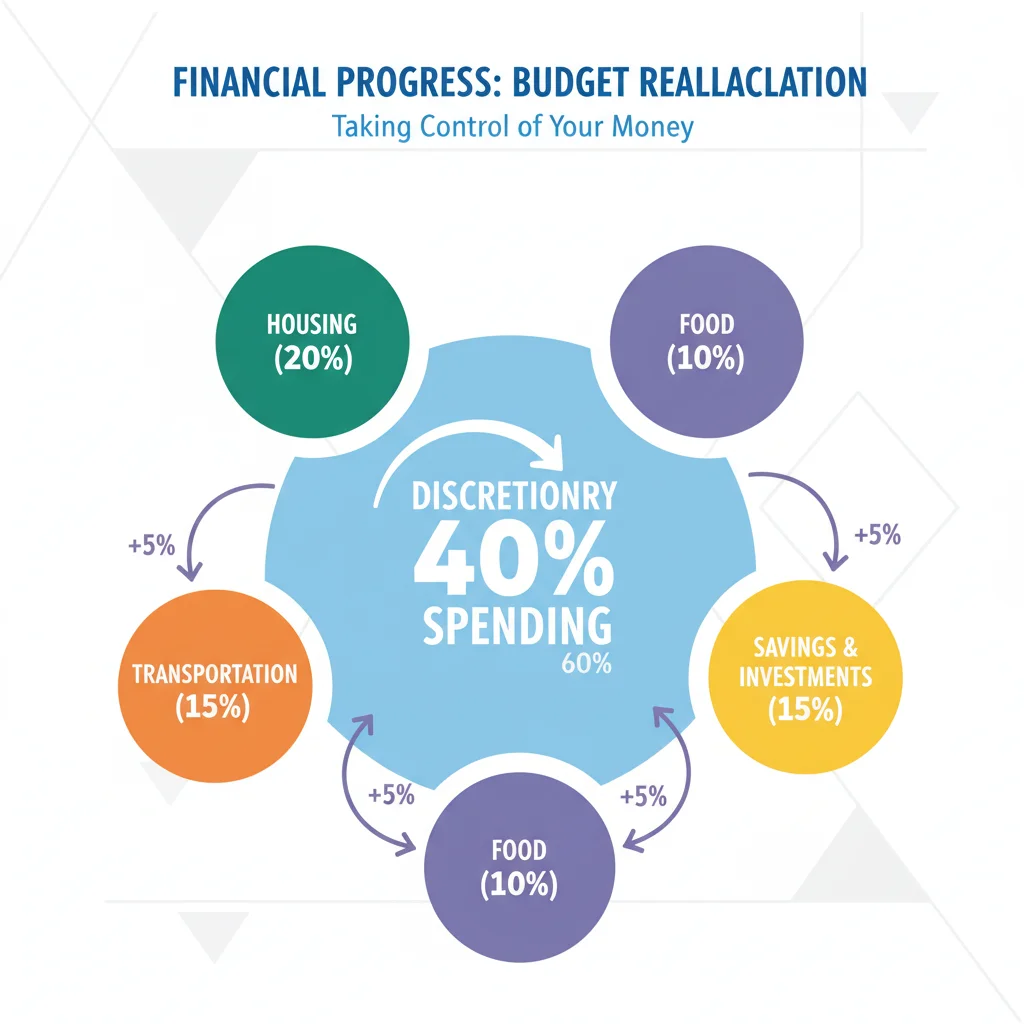
Imagine the impact of consistently reducing your discretionary spending by 25%. For many households, this could translate to hundreds, if not thousands, of dollars saved each year. What could you do with that extra money?
- Accelerate Debt Repayment: Pay down high-interest credit card debt or student loans faster, saving you significant money on interest in the long run.
- Boost Your Emergency Fund: Build a robust emergency fund that can cover 3-6 months of living expenses, providing a crucial safety net against unexpected financial setbacks.
- Invest for the Future: Direct those savings into retirement accounts (401k, IRA) or other investment vehicles, allowing your money to grow over time.
- Save for Big Goals: Fund a down payment on a house, a new car, a dream vacation, or your children’s education.
- Increase Financial Freedom: Ultimately, having more control over your discretionary spending means more freedom to make choices that align with your long-term financial aspirations rather than being dictated by impulse.
The 25% target isn’t arbitrary; it’s a significant yet achievable goal that, when sustained, creates a powerful ripple effect across your entire financial life. The envelope system budgeting provides the structure and discipline needed to hit and maintain this target.
Conclusion: Embrace Financial Control with the Envelope System in 2026
The year 2026 presents a unique opportunity to take charge of your financial destiny. The envelope system budgeting, whether in its traditional cash form or a modern hybrid, remains a potent tool for anyone serious about understanding where their money goes and, more importantly, where they want it to go. By implementing this straightforward yet profound method, you can transform your spending habits, significantly cut down on discretionary expenses, and pave the way for a more secure and prosperous future.
It requires commitment, consistency, and a willingness to confront your financial realities, but the rewards are immense. The clarity, control, and confidence that come from mastering your money using the envelope system budgeting are invaluable. Start today, set your categories, fill your envelopes, and watch as you not only meet but exceed your financial goals, one dollar at a time.
Remember, financial freedom isn’t about how much money you make; it’s about how well you manage the money you have. The envelope system budgeting is your blueprint for effective money management in 2026 and beyond. Take control, save more, and build the financial life you’ve always envisioned.