Mastering the 50/30/20 Rule: Updated Strategies for 2026 US Households to Save 15% More

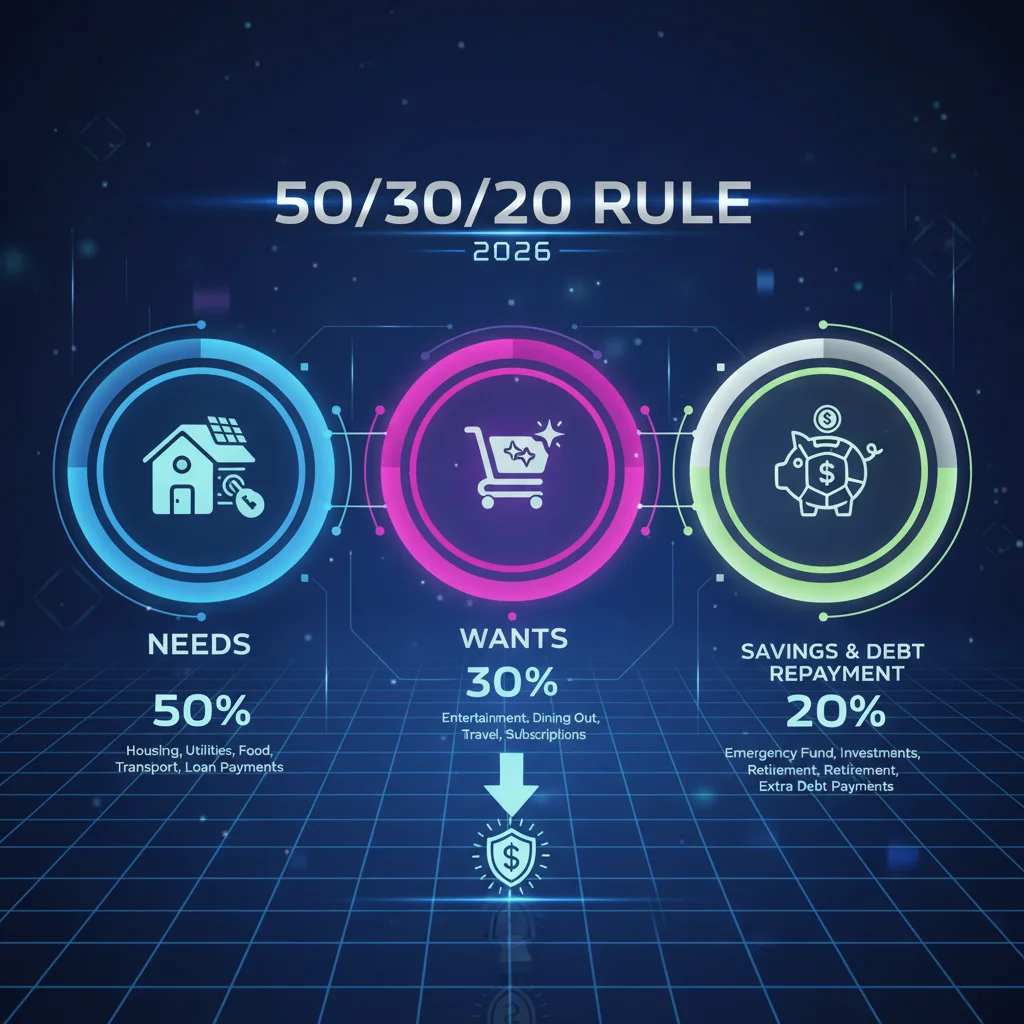
In an ever-evolving economic landscape, sound financial management is not just a recommendation; it’s a necessity. For US households looking to navigate the complexities of personal finance in 2026 and beyond, the 50/30/20 Rule remains a bedrock principle. This time-tested budgeting framework, popularized by Senator Elizabeth Warren and her daughter Amelia Warren Tyagi in ‘All Your Worth: The Ultimate Lifetime Money Plan,’ provides a simple yet powerful guideline for allocating your after-tax income: 50% to Needs, 30% to Wants, and 20% to Savings and Debt Repayment. While the core principle endures, its application must adapt to contemporary challenges and opportunities. This comprehensive guide will delve into updated strategies for 2026, aiming to help US households not just adhere to the rule, but to optimize it, potentially saving 15% more than traditional approaches.
Understanding the Core of the 50/30/20 Rule in 2026
Before we dive into advanced strategies, let’s revisit the fundamental components of the 50/30/20 Rule, contextualized for the current economic climate in 2026. Understanding these categories is crucial for effective implementation and for maximizing your savings potential.
50% for Needs: Essential Living in a Modern Economy
Needs are the non-negotiable expenses that are absolutely essential for survival and maintaining your current lifestyle. In 2026, these typically include:
- Housing: Rent or mortgage payments, property taxes, and homeowner’s insurance. With housing costs continuing to be a significant burden in many US regions, carefully managing this category is paramount. Exploring options like refinancing, seeking more affordable housing, or even considering geo-arbitrage for remote workers could be part of a 2026 strategy.
- Utilities: Electricity, gas, water, and essential internet services. As smart home technology advances, monitoring and optimizing utility consumption through smart devices can lead to tangible savings.
- Groceries: Food expenses for your household. Inflationary pressures on food prices necessitate strategic meal planning, bulk buying, and minimizing food waste. Subscriptions to local farm boxes or discount grocery chains might be more prevalent.
- Transportation: Car payments, fuel, public transit passes, or ride-sharing services for commuting. The rise of electric vehicles and evolving public transportation infrastructures will influence how this category is managed. Consider the total cost of ownership for vehicles.
- Healthcare: Insurance premiums, co-pays, and prescription medications. Healthcare costs remain a major concern; actively comparing insurance plans and utilizing preventative care can help manage this.
- Minimum Loan Payments: The minimum required payments on debts like student loans, car loans, or credit cards. While aggressive debt repayment falls under the 20% savings category, the minimums are non-negotiable needs.
The challenge in 2026 is that for many US households, the ‘Needs’ category often creeps above 50% due to rising costs of living, especially in urban centers. This is where strategic adjustments and a keen eye for optimization become vital.
30% for Wants: Discretionary Spending and Lifestyle Choices
Wants are the expenses that improve your quality of life but are not strictly necessary. These are often the first place to look for cuts when your budget feels tight. In 2026, wants might include:
- Entertainment: Streaming services, cinema tickets, concerts, gaming. The subscription economy continues to grow, requiring careful review of recurring ‘want’ expenses.
- Dining Out & Takeaway: Restaurants, coffee shops, food delivery services. This category often represents a significant portion of discretionary spending.
- Hobbies & Leisure: Gym memberships (beyond basic health needs), sports equipment, travel, recreational classes.
- Shopping: New clothes, gadgets, non-essential home decor.
- Vacations: Travel expenses and leisure trips.
- Premium Subscriptions: Non-essential streaming services, premium app subscriptions, or luxury delivery services.
The 30% for wants is your opportunity to enjoy life, but it’s also your most flexible category. A disciplined approach here can free up significant funds for savings.
20% for Savings & Debt Repayment: Building Your Financial Future
This category is the engine of your financial freedom. It’s dedicated to securing your future and eliminating high-interest debt. For US households in 2026, this 20% should ideally be allocated to:
- Emergency Fund: Building a safety net of 3-6 months’ worth of living expenses in an easily accessible, high-yield savings account. This is non-negotiable before aggressive investing.
- Retirement Savings: Contributions to 401(k)s, IRAs, or other retirement accounts. Maxing out employer matches is often considered ‘free money’ and a top priority.
- Debt Repayment: Paying down high-interest debts like credit cards, personal loans, or student loans beyond the minimum payments. The ‘debt snowball’ or ‘debt avalanche’ methods can be highly effective.
- Investments: Contributions to brokerage accounts for long-term wealth building, college savings (529 plans), or other financial goals.
- Future Goals: Saving for a down payment on a house, a new car, or a significant life event.
The goal is to consistently funnel at least 20% of your after-tax income into these areas. This consistent effort, compounded over time, is how true wealth is built.
Why the 50/30/20 Rule Needs an Update for 2026 US Households
While the core framework of the 50/30/20 Rule remains robust, the economic realities of 2026 present unique challenges and opportunities that necessitate an updated approach:
- Persistent Inflationary Pressures: The cost of living, particularly for housing, food, and healthcare, has continued to rise in many areas, pushing ‘Needs’ beyond the traditional 50% for many.
- Technological Advancements: The proliferation of subscription services, smart home devices, and advanced personal finance tools changes how we spend and track money.
- Remote Work and Geographic Flexibility: More households have the option to relocate to areas with lower costs of living, directly impacting their ‘Needs’ budget.
- Student Loan Landscape: The evolving policies and repayment options for student loans require careful consideration within the 20% savings category.
- Gig Economy and Diverse Income Streams: Many households now have multiple income sources, requiring more flexible budgeting approaches.
- Climate Change Impact: Increasing frequency of extreme weather events can lead to unexpected expenses and impact insurance costs, making emergency funds even more critical.
These factors mean that a rigid application of the rule without adaptation might not yield optimal results. Our updated strategies aim to address these modern complexities.
Advanced Strategies to Save 15% More with the 50/30/20 Rule in 2026
1. Dynamic Needs Assessment: Beyond the Static 50%
Instead of viewing your 50% ‘Needs’ as a fixed ceiling, consider it a target that requires active management. In 2026, this means:
- Aggressive Housing Optimization: If housing consumes more than 30% of your gross income (a common benchmark), it’s a red flag. Explore options like house hacking, renting out a spare room, relocating to a lower cost-of-living area, or negotiating rent renewals. For homeowners, consider refinancing if interest rates drop, or even downsizing if your current home is too large for your needs.
- Smart Utility Management: Leverage smart thermostats, energy-efficient appliances, and off-peak usage habits. Many utility companies offer programs for energy audits and incentives for efficiency upgrades.
- Strategic Grocery Shopping & Meal Prep: Utilize digital coupons, loyalty programs, and price comparison apps. Embrace meal prepping to reduce food waste and impulse purchases. Consider buying seasonal produce and exploring discount grocers or international markets for better deals.
- Optimized Transportation: Evaluate public transport options, carpooling, or investing in an electric bike. If you own a car, regularly compare insurance rates and ensure proper maintenance to avoid costly repairs. For remote workers, question the need for a second car entirely.
- Healthcare Plan Review: Annually review your health insurance plan during open enrollment. Ensure it aligns with your current health needs and financial situation. Explore HSAs (Health Savings Accounts) if eligible, as they offer triple tax advantages.
By actively working to keep your ‘Needs’ below or at 50%, you create more breathing room for your ‘Wants’ and ‘Savings’ categories.
2. The Flexible 30% ‘Wants’ and the Power of ‘Value Alignment’
Your 30% ‘Wants’ category is where personalized optimization can truly shine. In 2026, move beyond simply cutting expenses; focus on ‘value alignment’:
- Subscription Audit Automation: Use apps or services that automatically track and notify you about recurring subscriptions. Periodically review and cancel those you no longer use or value. Consider rotating subscriptions (e.g., one streaming service per month).
- Mindful Spending Habits: Before any ‘want’ purchase, ask yourself: ‘Does this genuinely add value to my life, or is it an impulse buy?’ Delaying gratification for 24-48 hours can significantly reduce unnecessary spending.
- DIY & Skill-Based Savings: Instead of paying for services (e.g., home repairs, car detailing, cooking), learn to do them yourself. This not only saves money but can also be a fulfilling skill development.
- Experiences Over Possessions: Prioritize experiences that bring lasting joy (e.g., a meaningful trip, a special event) over accumulating material possessions that may offer fleeting satisfaction.
- Leverage Loyalty Programs & Discounts: Actively participate in loyalty programs for your favorite stores or services. Seek out student, senior, or professional discounts where applicable.
- The ‘Wants’ Buffer: Consider setting aside a small portion of your ‘Wants’ budget as a buffer. If you underspend in ‘Wants’ for a month, you can roll that surplus into your ‘Savings’ for an accelerated boost.
The goal isn’t deprivation, but conscious consumption that aligns with your true values and financial goals.
3. Supercharging Your 20% for Savings & Debt: The ‘Hyper-Savings’ Approach
To save 15% more, your 20% must become a dynamic, aggressive engine. Here’s how US households can supercharge this category in 2026:
- Automate Everything: Set up automatic transfers from your checking account to your savings, investment, and debt repayment accounts immediately after you get paid. ‘Pay yourself first’ is non-negotiable.
- Aggressive Debt Annihilation: Prioritize high-interest debt. The ‘debt avalanche’ method (paying off highest interest debt first) is mathematically superior, while the ‘debt snowball’ (paying off smallest balance first) provides psychological wins. Choose the method that keeps you motivated. Consider debt consolidation for eligible debts if it offers a lower interest rate.
- Maximize Retirement Contributions: Aim to contribute at least enough to get your employer’s full 401(k) match. Then, consider maxing out your IRA (Traditional or Roth, depending on your income) and increasing 401(k) contributions further. Understand the 2026 contribution limits.
- Diversified Investment Strategies: Beyond traditional retirement accounts, explore low-cost index funds or ETFs for long-term wealth growth. Consider robo-advisors for automated, diversified investing, especially if you’re new to the market.
- The ‘Windfall’ Allocation: Any unexpected income (bonuses, tax refunds, gifts, side hustle earnings) should be primarily directed towards your 20% category, accelerating debt repayment or savings goals. This is a prime opportunity to save an extra 5-10% without feeling the pinch.
- Side Hustle Integration: If your current income makes hitting 20% difficult, consider a side hustle. Even a few hundred extra dollars a month can significantly impact your savings rate. Dedicate 100% of side hustle income to your 20% category for maximum impact.
- High-Yield Savings Accounts (HYSAs): Ensure your emergency fund and short-term savings are in HYSAs that offer competitive interest rates, allowing your money to grow passively.
- Tax-Advantaged Accounts Beyond Retirement: Explore HSAs for healthcare savings, 529 plans for education, or other specialized accounts that offer tax benefits while saving for specific goals.
Implementing the 50/30/20 Rule in 2026: Practical Steps for US Households
Step 1: Calculate Your After-Tax Income
This is your net pay after federal, state, and local taxes, as well as any pre-tax deductions like health insurance premiums or 401(k) contributions (excluding any employer match). This is the baseline for all your 50/30/20 calculations.
Step 2: Track Your Spending (The Foundation of Control)
You can’t manage what you don’t measure. For a month or two, meticulously track every dollar you spend. Use budgeting apps (Mint, YNAB, Personal Capital, Simplifi), spreadsheets, or even a simple notebook. Categorize each expense into ‘Needs,’ ‘Wants,’ or ‘Savings/Debt.’ This step is crucial for identifying where your money is actually going and where adjustments are needed.

Step 3: Analyze and Adjust Your Budget
Once you have a clear picture of your spending, compare it to the 50/30/20 percentages. If your ‘Needs’ are over 50%, identify areas where you can cut back or optimize. If your ‘Wants’ are too high, prioritize what truly brings you joy and eliminate the rest. If your ‘Savings’ is below 20%, look at both ‘Needs’ and ‘Wants’ for reallocation opportunities. Remember, the goal is to save at least 20%, and ideally more with our advanced strategies.
Step 4: Automate Your Savings and Debt Repayments
This is the secret weapon of successful budgeters. Set up automatic transfers from your checking account to your savings, investment, and debt repayment accounts immediately after each payday. This ensures you prioritize your financial future before discretionary spending. Consider setting up separate accounts for different savings goals (e.g., emergency fund, down payment, vacation fund) to keep them organized.
Step 5: Regular Review and Adaptation
Your financial situation isn’t static. Review your budget monthly or quarterly. Life changes—income fluctuates, expenses shift, and goals evolve. The 50/30/20 Rule is a flexible framework, not a rigid prison. Adjust your percentages as needed, always striving to hit or exceed that 20% savings target. For instance, if you get a raise, consider allocating a larger percentage of that raise directly to savings before lifestyle creep sets in.
Common Pitfalls and How to Avoid Them in 2026
- Needs Creep: Mistaking wants for needs (e.g., premium cable packages, daily coffee shop runs). Be brutally honest about what’s truly essential.
- Ignoring Inflation: Not adjusting your budget for rising costs. Regularly review your ‘Needs’ categories for price increases and adapt.
- Lack of Automation: Relying on willpower alone for savings is a recipe for failure. Automate your financial priorities.
- Not Tracking Spending: Without knowing where your money goes, budgeting is guesswork.
- Being Too Restrictive: A budget that’s too tight is unsustainable. Allow for some ‘Wants’ to avoid burnout, but ensure they align with your 30% allocation.
- Fear of the Unknown: Many people avoid budgeting because they fear what they’ll find. Confronting your finances is the first step to taking control.
- One-Time Windfalls: Spending bonuses or tax refunds entirely on ‘Wants’ instead of accelerating savings or debt repayment.
The 50/30/20 Rule and Financial Freedom in 2026
The updated 50/30/20 Rule is more than just a budgeting tool; it’s a pathway to financial freedom. By consistently applying these strategies, US households in 2026 can:
- Build a Robust Emergency Fund: Protecting against unforeseen job loss, medical emergencies, or natural disasters.
- Eliminate High-Interest Debt: Freeing up significant cash flow that was previously consumed by interest payments.
- Accelerate Retirement Savings: Ensuring a comfortable and secure future.
- Achieve Major Financial Goals: Whether it’s a down payment on a home, funding education, or starting a business.
- Reduce Financial Stress: Gaining peace of mind knowing your finances are organized and working for you.
By striving to save 15% more than the baseline 20%, you’re not just saving 35% of your income; you’re dramatically shortening your journey to financial independence. This extra savings rate provides a significant boost, leveraging the power of compound interest to work harder and faster for you.
Conclusion: Your Financial Blueprint for 2026 and Beyond
The 50/30/20 Rule is a timeless financial principle, but its effective application requires constant adaptation. For US households in 2026, navigating inflationary pressures, technological shifts, and evolving economic realities demands a proactive and optimized approach. By implementing the advanced strategies outlined in this guide – focusing on dynamic needs assessment, value-aligned wants, and a hyper-savings approach – you can not only adhere to the rule but significantly exceed its baseline, potentially saving 15% more of your income. This enhanced saving power will accelerate your debt repayment, boost your investments, and ultimately pave the way to greater financial security and freedom. Start today, track diligently, automate consistently, and review regularly. Your future self will thank you for mastering the 50/30/20 Rule in 2026.