CFPB Complaint Guide 2026: Your Step-by-Step Path to Resolution

In the evolving landscape of financial services, consumer protection remains paramount. When faced with issues concerning financial products or services, knowing where to turn can make all the difference. The Consumer Financial Protection Bureau (CFPB) stands as a crucial federal agency dedicated to safeguarding consumers in the financial marketplace. For 2026, understanding the most effective way to file a complaint with this powerful entity is essential for anyone seeking redress. This comprehensive CFPB Complaint Guide will walk you through every step, ensuring your voice is heard and your concerns are addressed.
The CFPB was established in the wake of the 2008 financial crisis to protect consumers from unfair, deceptive, or abusive financial practices. It oversees banks, credit unions, mortgage lenders, and other financial companies, handling complaints related to credit cards, mortgages, bank accounts, student loans, auto loans, and more. Filing a complaint with the CFPB isn’t just about resolving your individual issue; it also contributes to a larger database that helps the agency identify trends, enforce regulations, and protect countless other consumers. As we move into 2026, the CFPB continues to refine its processes, making it more accessible and efficient for consumers.
This guide is designed to be your definitive resource for navigating the CFPB complaint process. We’ll cover everything from preparing your complaint to understanding the potential outcomes, ensuring you are well-equipped to advocate for your financial rights. Whether you’re dealing with billing errors, fraudulent charges, or misleading loan terms, this CFPB Complaint Guide will empower you to take effective action.
Understanding the CFPB’s Role in 2026
Before diving into the mechanics of filing a complaint, it’s vital to grasp the CFPB’s mandate and scope, particularly as it stands in 2026. The agency’s primary function is to make markets for consumer financial products and services work for Americans—and to do so fairly. This includes:
- Supervising financial companies: Ensuring compliance with federal consumer financial laws.
- Enforcing laws: Taking action against companies that violate consumer financial protection laws.
- Educating consumers: Providing resources to help consumers make informed financial decisions.
- Gathering data: Collecting and analyzing information to understand consumer financial markets.
- Handling complaints: This is where our CFPB Complaint Guide comes into play, as the agency acts as an intermediary between consumers and financial companies to resolve disputes.
In 2026, the CFPB continues to adapt to new financial technologies and evolving consumer needs. This means their complaint system is regularly updated to handle emerging issues, from cryptocurrency scams to complex data privacy concerns within financial transactions. Their reach is broad, covering a vast array of financial products and services, which is why understanding their jurisdiction is the first step in effectively using this CFPB Complaint Guide.
Who Can File a Complaint?
Any individual who has a problem with a financial product or service can file a complaint with the CFPB. This includes issues with banks, credit card companies, mortgage servicers, debt collectors, student loan servicers, auto lenders, and more. You don’t need to be a lawyer, and there’s no fee to file a complaint. The process is designed to be accessible to everyone, making this CFPB Complaint Guide a valuable tool for all consumers.
Step 1: Determine if the CFPB is the Right Agency for Your Complaint
While the CFPB has broad authority, it doesn’t handle every type of complaint. Before you proceed, ensure your issue falls within their purview. The CFPB primarily handles complaints related to:
- Bank accounts and services (e.g., checking, savings, CDs)
- Credit cards (e.g., billing disputes, interest rates, fees)
- Credit reporting (e.g., inaccuracies on your credit report)
- Debt collection (e.g., harassment, unfair practices)
- Mortgages (e.g., loan servicing, foreclosures, refinance issues)
- Student loans (e.g., servicing, payment issues)
- Auto loans (e.g., predatory lending, repossession issues)
- Payday loans, title loans, and pawn loans
- Money transfers, virtual currency, and other financial products.
If your complaint involves issues like general customer service, product quality (outside of financial aspects), or disputes with businesses not directly related to financial services, other agencies or legal avenues might be more appropriate. For example, the Federal Trade Commission (FTC) handles broader consumer protection issues, while state consumer protection agencies address local concerns. This initial assessment is crucial for an effective CFPB Complaint Guide experience.
Step 2: Gather All Necessary Information and Documentation
Preparation is key to a successful complaint. The more detailed and organized your information, the easier it will be for the CFPB and the company to understand and address your issue. Before you begin filing, collect the following:
- Company Name: The full legal name of the financial company you’re complaining about.
- Contact Information: Your full name, address, phone number, and email.
- Account Number: Any relevant account numbers (e.g., credit card, loan, bank account).
- Date of Incident: The specific dates when the problem occurred or when you first noticed it.
- Description of the Problem: A clear, concise, and factual summary of what happened. Focus on the facts, avoiding emotional language.
- Desired Resolution: What outcome are you seeking? (e.g., refund, correction of an error, removal of a charge).
- Supporting Documents: This is critical. Gather copies (do not send originals) of any relevant documents, such as:
- Bank statements or credit card statements
- Loan agreements or contracts
- Correspondence with the company (emails, letters, chat logs)
- Payment records
- Credit reports
- Any other documents that support your claim.
Organize these documents chronologically and be ready to upload them if filing online, or attach them if mailing your complaint. Having all this information at hand will streamline the process outlined in this CFPB Complaint Guide.

Step 3: Choose Your Filing Method (Online, Phone, Mail, or Fax)
The CFPB offers several ways to file a complaint, catering to different preferences and accessibility needs. In 2026, the online portal remains the most efficient and recommended method due to its speed and ease of document submission. This CFPB Complaint Guide will focus primarily on the online method, but acknowledge the others.
Online (Recommended)
The CFPB’s website (consumerfinance.gov) has a dedicated section for filing complaints. This method allows you to:
- Submit your complaint 24/7.
- Upload supporting documents directly.
- Track the status of your complaint online.
- Receive email updates on your complaint’s progress.
To file online, you’ll typically need to create an account, which helps manage your complaint and ensures secure communication. The online forms are user-friendly and guide you through each section, prompting for the necessary details identified in Step 2. This is the fastest and most trackable method detailed in our CFPB Complaint Guide.
Phone
You can also file a complaint over the phone by calling the CFPB’s toll-free number. A representative will guide you through the process and record your complaint details. While convenient for those who prefer verbal communication, you may still need to mail or fax supporting documents separately.
If you prefer, you can print a complaint form from the CFPB website or write a letter detailing your complaint. Mail it along with your supporting documents to the CFPB’s mailing address. This method is slower and tracking can be more challenging.
Fax
Similar to mail, you can fax your complaint form and documents. This is generally less common in 2026 but remains an option.
Step 4: Crafting Your Complaint: Clarity and Conciseness
Regardless of the method you choose, the narrative of your complaint is critical. Follow these guidelines to ensure your complaint is effective:
- Be Factual: Stick to the facts. Describe what happened, when it happened, and who was involved.
- Be Concise: Get straight to the point. While detail is good, avoid unnecessary rambling or emotional tangents.
- Be Clear: Use simple, direct language. Avoid jargon or overly complex sentences.
- State Your Desired Resolution: Clearly articulate what you want the company to do to resolve the issue. Be reasonable and specific.
- Reference Supporting Documents: Mention any attached documents and how they relate to your complaint.
For example, instead of writing: "This bank is terrible! They charged me a fee I didn’t deserve, and it’s unfair! I want my money back!" try: "On [Date], Bank X charged a $35 overdraft fee to my checking account (Account #123456789). My records indicate a sufficient balance at the time of the transaction, as shown in the attached bank statement for [Month/Year]. I request a refund of the $35 overdraft fee." This level of detail and clarity is what this CFPB Complaint Guide advocates for.
Step 5: What Happens After You File Your Complaint? The CFPB Process
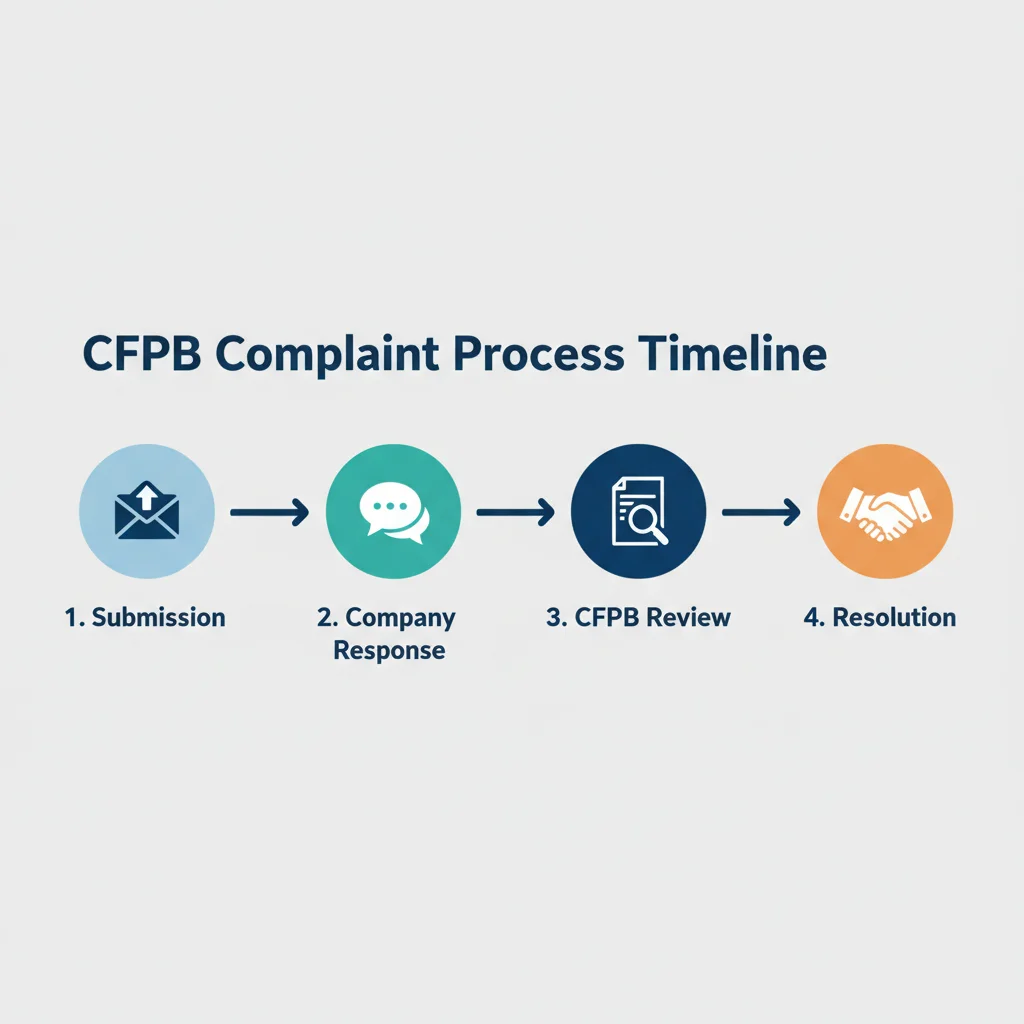
Once your complaint is submitted, the process moves through several stages. Understanding these stages, as outlined in this CFPB Complaint Guide, will help manage your expectations.
1. Complaint Submission and Review
Upon submission, the CFPB reviews your complaint to ensure it’s complete and falls within its jurisdiction. If anything is unclear or missing, they may contact you for more information.
2. Forwarding to the Company
The CFPB then forwards your complaint to the financial company you’ve identified. The company is typically given 15 days to respond to the CFPB and to you, outlining their proposed resolution or explaining why they believe no further action is necessary. For more complex issues, they might have up to 60 days.
3. Company Response and Your Review
Once the company responds, the CFPB will share their response with you. You will then have an opportunity to review the company’s response and provide feedback to the CFPB. This is a critical step where you indicate whether you are satisfied with the resolution or if you believe the company’s response is inadequate. Your feedback is crucial for the CFPB’s ongoing monitoring and enforcement efforts.
4. CFPB’s Role and Potential Outcomes
The CFPB acts as a conduit, facilitating communication and ensuring the company responds. While the CFPB doesn’t typically resolve individual disputes directly (e.g., they won’t force a company to refund you), they monitor company responses and can take action against companies that consistently fail to comply with regulations or address consumer complaints. Your complaint, combined with others, helps the CFPB identify patterns of misconduct, which can lead to investigations, enforcement actions, and policy changes. The outcomes can range from a direct resolution from the company to the CFPB using your complaint data to pursue broader enforcement actions against the financial institution. This entire process is a core component of our CFPB Complaint Guide.
Tips for Maximizing Your Complaint’s Effectiveness in 2026
Beyond the basic steps, here are some additional tips to enhance the impact of your complaint:
- Communicate with the Company First: In many cases, trying to resolve the issue directly with the financial company before involving the CFPB can be effective. Document all your attempts, including dates, times, names of representatives, and what was discussed. This shows the CFPB you’ve made a good-faith effort and provides valuable context.
- Be Patient: The complaint resolution process can take time. While the CFPB aims for timely responses, complex cases may require more investigation.
- Keep Records: Maintain a copy of everything related to your complaint, including your original submission, all supporting documents, and all communications from the CFPB and the company.
- Be Honest and Accurate: Provide only truthful and accurate information. Misrepresenting facts can undermine the credibility of your complaint.
- Follow Up: If you don’t hear back within the expected timeframe, check the status of your complaint online or contact the CFPB.
- Understand Limitations: While the CFPB is powerful, it cannot guarantee a specific outcome for every individual complaint. Its primary role is regulatory oversight and ensuring companies comply with consumer protection laws.
Common Pitfalls to Avoid When Filing a CFPB Complaint
To ensure your complaint is as effective as possible, be aware of these common mistakes:
- Lack of Documentation: Without supporting evidence, your complaint becomes a "he said, she said" situation, which is difficult for the CFPB to act upon. Always provide copies of relevant documents.
- Vague or Emotional Language: While frustrating, overly emotional or vague complaints are less effective. Stick to clear, concise facts.
- Incorrect Company Information: Ensure you have the correct legal name of the company. A slight misspelling or an outdated name can delay the process.
- Unrealistic Expectations: The CFPB cannot force a company to agree to your demands if they are outside the scope of consumer financial law. Understand what a reasonable resolution looks like.
- Not Following Up: Once you’ve filed, it’s not a set-it-and-forget-it situation. Monitor your complaint’s progress and provide feedback when requested.
- Filing for Issues Outside CFPB Jurisdiction: As discussed in Step 1, ensure your complaint aligns with the CFPB’s mandate. Filing with the wrong agency can lead to delays and frustration.
Adhering to the advice in this CFPB Complaint Guide will help you avoid these pitfalls and navigate the process smoothly.
The Impact of Your Complaint: Beyond Individual Resolution
It’s important to remember that your individual complaint contributes to a much larger effort. Every complaint filed with the CFPB, regardless of its individual outcome, provides valuable data. This data is aggregated and analyzed to identify systemic issues, emerging trends in consumer harm, and areas where financial companies might be failing to comply with laws. This intelligence allows the CFPB to:
- Conduct Targeted Investigations: If numerous complaints point to similar problems with a particular company or product, the CFPB can initiate an investigation.
- Issue New Regulations: Identified gaps in consumer protection may lead to the creation of new rules or amendments to existing ones.
- Take Enforcement Actions: The CFPB has the authority to fine companies, order restitution to consumers, and impose other penalties for violations of federal consumer financial law.
- Provide Public Information: The CFPB publishes aggregated complaint data, offering transparency and allowing consumers to make more informed choices about financial products and services.
Therefore, by following this CFPB Complaint Guide and filing your complaint, you are not just seeking personal redress; you are actively participating in the broader mission of consumer protection and helping to shape a fairer financial marketplace for everyone in 2026 and beyond.
Conclusion: Empowering Your Consumer Rights in 2026
Navigating the complexities of financial services can be daunting, but the Consumer Financial Protection Bureau provides a powerful avenue for consumers to seek justice and resolution. By following this comprehensive CFPB Complaint Guide, you are equipped with the knowledge and steps necessary to effectively file a complaint in 2026. Remember, preparation, clarity, and persistence are your greatest allies in this process.
Don’t let financial misconduct go unchallenged. Your right to fair treatment in the financial marketplace is protected, and the CFPB is there to help enforce those protections. Use this guide as your roadmap to ensure your consumer rights are upheld and that you contribute to a more transparent and accountable financial system for all. Take action today, and let your voice be a part of the solution.