Weekly Budgeting Check-ins: 15-Minute Strategy for US Families to Stay on Track and Avoid Overspending

Weekly Budgeting Check-ins: A 15-Minute Strategy for US Families to Stay on Track in 2026 and Avoid Overspending by 12%
In the dynamic landscape of 2026, managing family finances can feel like navigating a constantly shifting maze. From rising living costs to unexpected expenses, US families often find themselves struggling to keep their budgets in check. The good news? There’s a powerful, yet incredibly simple, strategy that can revolutionize your financial health: weekly budgeting check-ins. This isn’t about hours of number crunching; it’s about a focused, 15-minute commitment that can help your family avoid overspending by an impressive 12% and stay firmly on track towards your financial goals.
Many families operate on a monthly budgeting cycle, which, while useful, can sometimes lead to surprises. By the time you reach the end of the month, it might be too late to course-correct significant overspending. This is where the power of weekly budgeting check-ins shines. It provides a regular pulse check, allowing you to identify potential issues early, make necessary adjustments, and maintain control over your money. This comprehensive guide will delve into why weekly check-ins are crucial, how to implement them effectively, and the significant benefits your family can reap.
Why Weekly Budgeting Check-ins Are Your Family’s Financial Superpower
The concept of weekly budgeting check-ins is rooted in proactive financial management. Instead of reacting to financial woes at the end of the month, you’re constantly monitoring and adapting. Here’s why this approach is so effective:
Early Detection of Overspending
Imagine you’re driving a car. Would you prefer to check your fuel gauge once a month, risking running out of gas unexpectedly, or would you prefer to glance at it regularly? Financial management is similar. Monthly checks can obscure small, consistent overspends that accumulate into significant problems. Weekly budgeting check-ins allow you to spot these trends early. Did you spend a little too much on groceries this week? Or perhaps an unexpected outing pushed your entertainment budget past its limit? Catching these deviations early gives you the opportunity to compensate in the following week, preventing a larger deficit.
Increased Accountability and Awareness
When everyone in the family knows there’s a weekly financial review, it naturally fosters a greater sense of accountability. Children can learn valuable lessons about money management, and adults become more conscious of their spending habits. This regular touchpoint transforms budgeting from a chore into a collaborative effort. It creates a space for open discussions about money, helping family members understand the impact of their spending choices on collective goals.
Flexibility and Adaptability
Life is unpredictable, and so are expenses. A sudden car repair, an unexpected school trip, or a spontaneous family event can throw a monthly budget off course. With weekly budgeting check-ins, you have the agility to adjust. If one week brings an unforeseen expense, you can immediately identify areas where you can cut back for the next week, rather than waiting until the end of the month when the damage is already done. This flexibility is key to maintaining financial stability without feeling overly restricted.
Reduced Financial Stress
One of the biggest benefits of regular financial check-ups is the reduction of stress. When you’re consistently aware of your financial standing, you’re less likely to be blindsided by bills or an empty bank account. This proactive approach cultivates a sense of control and peace of mind, knowing that you’re actively managing your money rather than letting it manage you. For US families, where financial stress is a common concern, this can be a game-changer.
Better Progress Towards Financial Goals
Whether your family’s goals include saving for a down payment, funding college education, or planning a dream vacation, consistent monitoring is essential. Weekly budgeting check-ins keep your goals front and center. You can see, week by week, how your spending habits are impacting your ability to save. This regular reinforcement can be incredibly motivating and help you make more intentional financial decisions aligned with your long-term aspirations.
The 15-Minute Weekly Budgeting Check-in Strategy: A Step-by-Step Guide
The beauty of this strategy lies in its simplicity and efficiency. You don’t need to be a financial expert, nor do you need hours of dedicated time. Here’s how to conduct an effective 15-minute weekly budgeting check-in:
Step 1: Choose Your Time and Tool (2 minutes)
Consistency is key. Pick a specific day and time each week that works for your family – Sunday evening, Monday morning, or even during a quiet moment after dinner. Mark it on your calendar and treat it as a non-negotiable appointment.
Next, decide on your budgeting tool. This could be:
- A simple spreadsheet: Google Sheets or Excel offers templates that are easy to customize.
- A budgeting app: Apps like Mint, YNAB (You Need A Budget), Personal Capital, or Simplifi can automate much of the tracking process by linking to your bank accounts and credit cards.
- A notebook and pen: For those who prefer a more tactile approach, a dedicated notebook can work wonders.
The most important thing is to choose a tool you’ll actually use and stick with. For the purpose of a 15-minute check-in, an app or a well-organized spreadsheet will be most efficient.
Step 2: Gather Your Financial Data (3 minutes)
Before your check-in, ensure you have access to your bank statements, credit card statements, and any cash spending records for the past week. If you’re using a budgeting app, much of this will be automatically categorized for you.
- Bank Accounts: Review transactions from your checking and savings accounts.
- Credit Cards: Check all credit card activity.
- Cash Spending: If you use cash, make sure to record these expenditures.
The goal is to have all your spending data from the previous 7 days readily available.
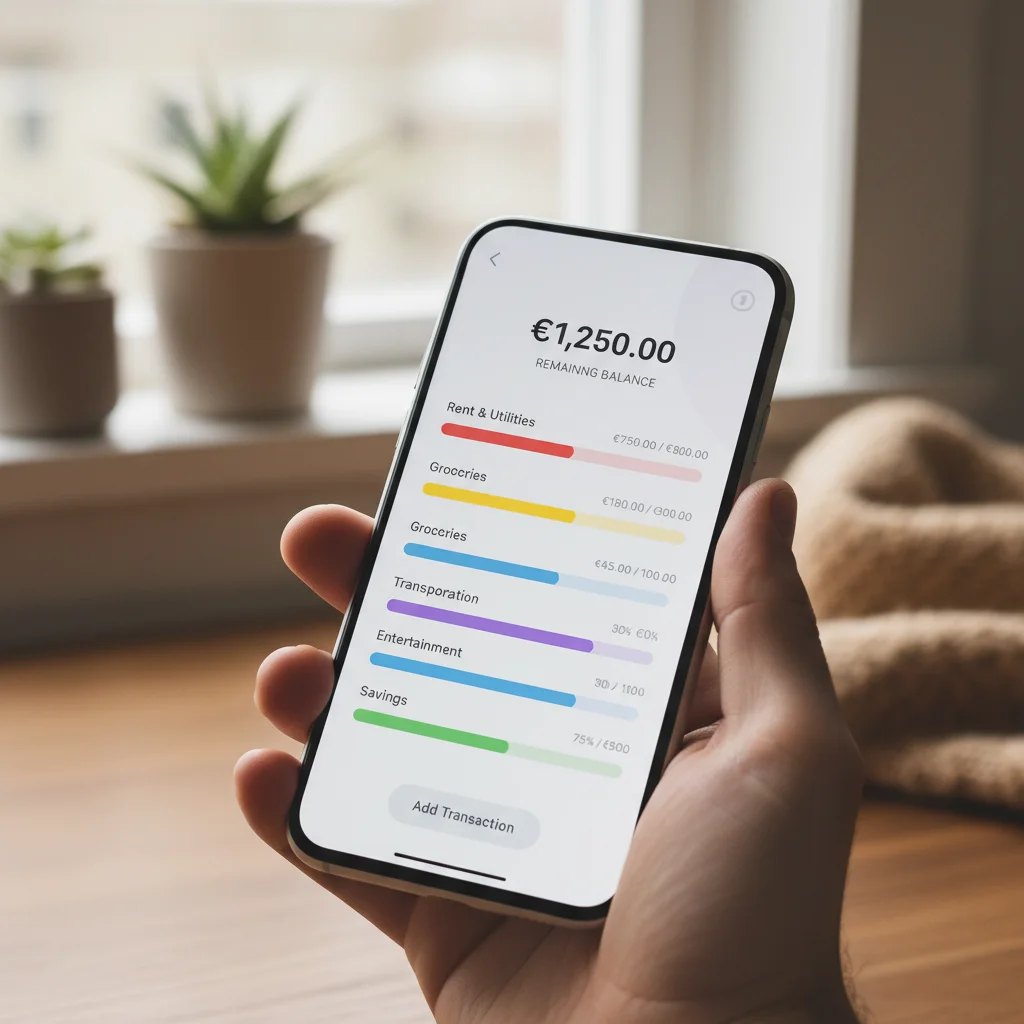
Step 3: Review and Categorize Expenses (5 minutes)
This is the core of your weekly budgeting check-ins. Go through each transaction and categorize it according to your budget. Most budgeting apps will auto-categorize, but it’s crucial to review for accuracy and re-categorize if needed.
- Fixed Expenses: Rent/mortgage, loan payments, subscriptions (these usually don’t change week-to-week, but confirm they’ve been paid).
- Variable Expenses: Groceries, dining out, entertainment, transportation, personal care, household supplies. These are the categories where overspending often occurs.
- Savings/Debt Payments: Confirm any automated transfers or manual payments made towards your financial goals.
As you review, compare your actual spending against your allocated budget for each category. Don’t just look at the total; scrutinize individual categories. This helps you understand where your money is actually going.
Step 4: Assess Progress and Identify Deviations (3 minutes)
Now, take a bird’s-eye view. How did you do this week? Are you:
- Under budget? Great job! Consider allocating the surplus to savings or a specific financial goal.
- On budget? Excellent! You’re maintaining control.
- Over budget? Don’t panic. This is precisely why you’re doing weekly budgeting check-ins. Identify which categories were overspent and by how much.
Ask yourselves (or yourself): What caused the overspending? Was it an impulse purchase? An unexpected event? A miscalculation? Understanding the ‘why’ is crucial for making informed adjustments.
Step 5: Plan for the Upcoming Week (2 minutes)
Based on your assessment, make a mini-plan for the next 7 days. This is where the flexibility of weekly check-ins truly comes into play.
- If you overspent: Decide where you can cut back. Can you cook more meals at home? Postpone a non-essential purchase?
- If you underspent: Reallocate the surplus. Maybe put it towards a larger savings goal or a planned splurge later in the month.
- Anticipate upcoming expenses: Are there any known bills, events, or purchases coming up that you need to factor into your spending for the next week?
This forward-looking step ensures you enter the new week with a clear financial roadmap, preventing a repeat of any overspending issues.
Maximizing the Impact of Your Weekly Budgeting Check-ins
While the 15-minute strategy is straightforward, a few additional tips can supercharge its effectiveness for your US family:
Involve the Whole Family (Age-Appropriately)
Even young children can grasp basic money concepts. Involving them in weekly budgeting check-ins can teach them about wants vs. needs, saving, and responsible spending. For older children, it can be an excellent opportunity to discuss allowances, future goals, and the value of money. This shared responsibility fosters a stronger financial culture within the family.
Be Realistic and Forgiving
No budget is perfect, and life happens. There will be weeks when you overspend, despite your best intentions. The key is not to get discouraged but to learn from it. Use your weekly budgeting check-ins as a learning opportunity, not a judgment session. Adjust your budget if certain categories are consistently underestimated, and always allow for a small ‘miscellaneous’ or ‘fun money’ category to prevent feeling overly restricted.
Automate Where Possible
Automate savings transfers, bill payments, and even some investments. This ensures that money is allocated to your priorities before you even have a chance to spend it. Automation simplifies your weekly check-ins, allowing you to focus more on variable spending.
Set Clear Financial Goals
What are you saving for? A new home? Retirement? A family vacation? Having clear, measurable financial goals provides motivation and direction. During your weekly budgeting check-ins, remind yourselves of these goals. Seeing your progress, even in small increments, can be incredibly powerful.
Track Your Progress Over Time
Most budgeting apps and spreadsheets allow you to visualize your spending and savings trends over weeks and months. Regularly reviewing these trends during your weekly budgeting check-ins can highlight areas of consistent overspending or successful savings. This long-term perspective helps you refine your budget and make more strategic financial decisions.

Common Pitfalls to Avoid During Weekly Budgeting Check-ins
Even with the best intentions, families can stumble. Being aware of common pitfalls can help you navigate them successfully:
Skipping Check-ins
Life gets busy, and it’s easy to let a week slip by. However, consistency is paramount for the success of weekly budgeting check-ins. If you miss one, don’t let it derail you completely. Just pick up where you left off the following week.
Being Too Restrictive
A budget that’s too tight is a budget destined to fail. If you cut out all discretionary spending, you’re likely to feel deprived and eventually give up. Build in some flexibility and ‘fun money’ to make your budget sustainable and enjoyable.
Ignoring Cash Spending
Cash can be a silent budget killer. If you frequently use cash, make sure to meticulously track every dollar spent. It’s easy to forget about small cash purchases, but they add up quickly.
Blaming and Arguing
The weekly budgeting check-ins should be a collaborative and supportive process, not an opportunity for blame or conflict. Approach it as a team, focusing on solutions and mutual understanding. Financial stress can strain relationships, but open communication can strengthen them.
Not Adjusting the Budget
Your budget isn’t set in stone. As your family’s income, expenses, and goals change, your budget should evolve with them. Use your weekly check-ins to identify if certain categories need permanent adjustments.
The Tangible Benefits: Avoiding Overspending by 12%
The claim of avoiding overspending by 12% is not an arbitrary figure. Numerous financial studies and anecdotal evidence suggest that individuals and families who consistently track their spending and adhere to a budget can significantly reduce unnecessary expenditures. The reason weekly budgeting check-ins are so effective in achieving this percentage is the immediate feedback loop it creates.
Consider a family that typically overspends by $100-$200 each month on variable expenses like dining out or impulse purchases. Over a year, this can amount to $1200-$2400. By catching these small overspends weekly, they can make small adjustments (e.g., packing lunch twice instead of buying it, skipping one non-essential coffee run) that cumulatively lead to substantial savings. The 12% figure represents a realistic and achievable reduction for families who move from a reactive monthly approach to a proactive weekly one.
This saved money isn’t just a number on a spreadsheet; it translates into tangible improvements for your family. It could mean:
- Building a stronger emergency fund.
- Accelerating debt repayment.
- Increasing contributions to retirement accounts.
- Funding educational opportunities for your children.
- Enjoying a well-deserved family vacation without guilt.
The power of weekly budgeting check-ins lies in transforming abstract financial goals into concrete, actionable steps that yield real-world results.
Success Stories: Real US Families and Weekly Budgeting
Across the United States, families are discovering the transformative power of regular financial reviews. Take the Miller family from Ohio, for instance. Before implementing weekly budgeting check-ins, they found themselves consistently short on funds by the third week of the month, relying on credit cards more than they liked. After adopting a 15-minute Sunday evening routine, they identified that their biggest leakage was spontaneous grocery store trips mid-week, often leading to impulse buys. By planning meals meticulously and sticking to one major grocery run, they saved an average of $70-$80 a week, translating to over $300 a month – a significant 15% reduction in their variable spending.
Similarly, the Chen family in California used their weekly budgeting check-ins to track their ‘fun money’ category. They realized that while individual splurges seemed small, collectively they were derailing their vacation savings goal. By setting a hard weekly limit and visually tracking it, they managed to put an extra $500 aside each month, allowing them to book their dream trip to Hawaii a year earlier than planned. These stories aren’t outliers; they’re testaments to the consistent, cumulative power of proactive money management through regular check-ins.
Conclusion: Empower Your Family’s Financial Future with Weekly Budgeting Check-ins
In conclusion, for US families aiming for financial stability and growth in 2026 and beyond, adopting weekly budgeting check-ins is not just a recommendation – it’s a necessity. This simple, 15-minute strategy offers a powerful framework for staying on track, preventing overspending, and ensuring every dollar works towards your family’s aspirations. It fosters accountability, reduces stress, and provides the flexibility needed to navigate life’s financial ups and downs.
Start today. Choose your tool, set your time, and commit to this small but mighty habit. You’ll be amazed at how quickly your family gains control over its finances, avoids overspending, and confidently marches towards a more secure and prosperous future. Embrace the power of weekly budgeting check-ins and unlock your family’s full financial potential.